
Phone Number: (+44) 013-3294-9721 | Email: info.properties@cevero.co.uk | Address: 35 Germander Place, MK14 7DW

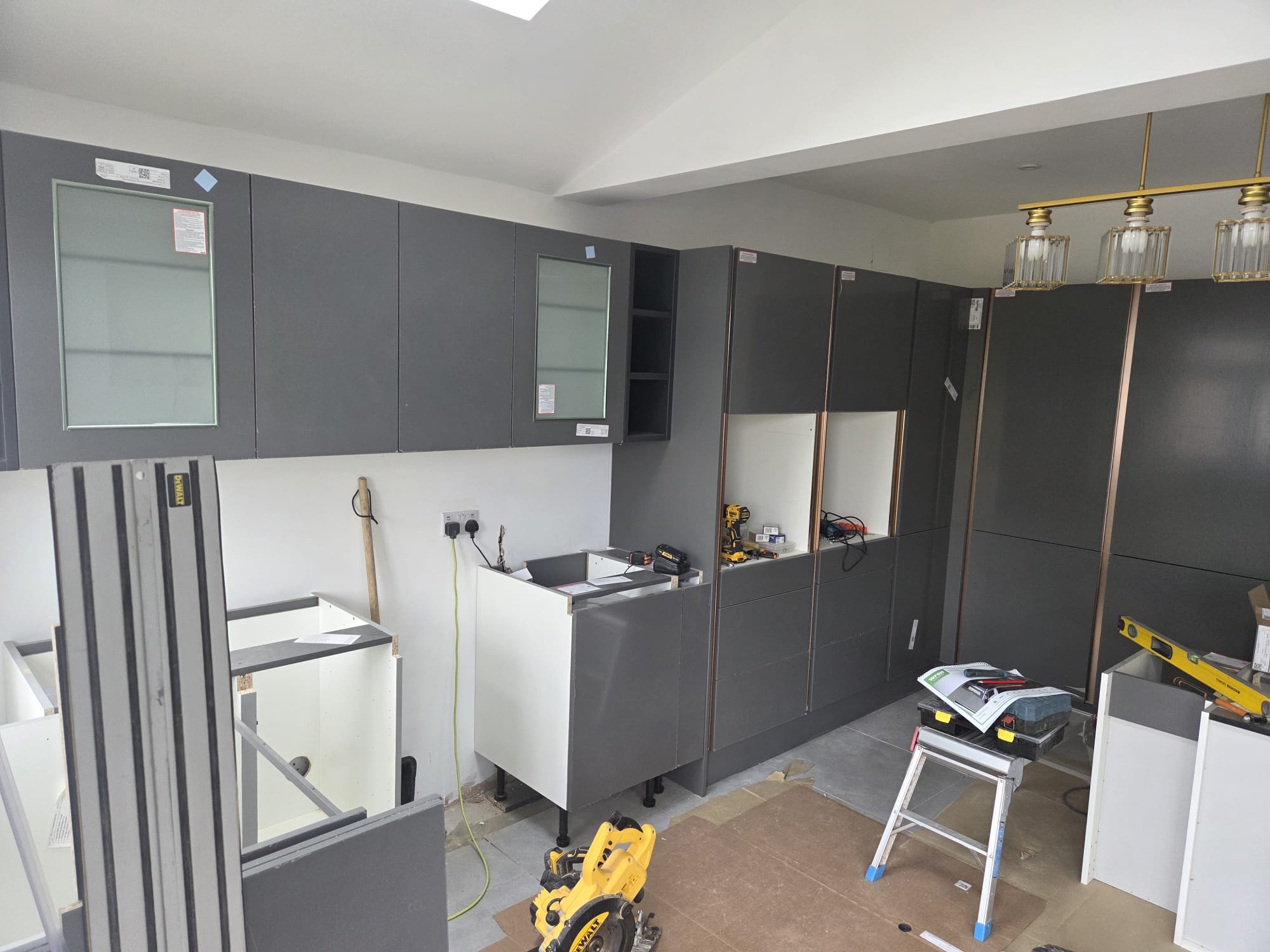

When a home starts to feel too small, the choice is usually between extending and moving. Both have costs that are easy to underestimate.
The real cost of moving
Stamp Duty, estate agent and legal fees, surveys and removals add up quickly, and none of it adds space or value to your home.
The real cost of extending
Build costs, design and structural fees, planning, building control and a contingency. Add the disruption of living through the build.
Will it add value?
An extra bedroom or a larger kitchen usually adds value, but not always more than it costs. Check the ceiling price for your street.
Permitted development
Many single-storey rear extensions can be built under permitted development rights without full planning permission, within size limits. Flats, listed buildings and some areas are excluded. Check with your council.
Think about how you live
Sometimes a home feels small because the layout does not work, not because it lacks space. Knocking through, converting a garage or reorganising rooms can solve the problem for less than an extension.
Neighbours and party walls
If work affects a shared wall or boundary, you may need to serve notice under the Party Wall Act. Talk to neighbours early; good relations make the build easier for everyone.
Get proper drawings
Accurate drawings are needed for planning, building control and accurate quotes. They also help you see how the finished space will work.
Frequently asked questions
How long does an extension take?
A typical single-storey extension takes a few months on site, plus design and approval time.
Can you manage the whole project?
Yes. We manage new build and extension projects from design to handover. Contact us.